Exchanging Foreign Money
At first, I was somewhat uncertain about how we would exchange our money. We had brought with us ducats, dollars, and other foreign coins, and we did not know whether they would be accepted in this country. However, our concerns quickly disappeared.
We found that there were many money-changers available, especially in the marketplace. These men stood at small stalls set up specifically for this purpose. They were well accustomed to dealing with travelers and merchants from many lands. Without difficulty, they exchanged our foreign coins into local money, such as medines, aspers, and five-sol pieces. There was no shortage of these coins in that region, and trade moved smoothly because of this well-organized system Hairstyles and Customs of Different Nations.
The money-changers worked openly and confidently, which gave travelers a sense of trust and security. Their presence showed how active and international the trade of the city was.
Covered Streets and Shops
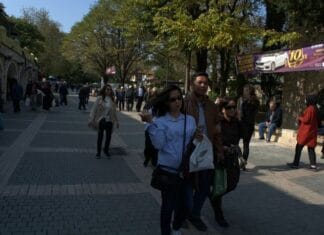
The main trading streets of the city were covered, much like those in other large Turkish towns. This roofing protected both merchants and customers from the heat of the sun and from bad weather. It also made the streets more comfortable for long hours of business.
The shops themselves were small, but they were well supplied. Although they appeared modest from the outside, they contained a wide variety of goods. Many items were displayed by hanging them up, making them easy to see. If a customer desired larger quantities, the shopkeeper could provide them upon request Sofia Old City Tours.
Inside the shop, the merchant usually sat cross-legged, much like a tailor at work. From this position, he sold his goods to his customers. The buyer often remained standing in the street while the transaction took place. This way of selling felt unusual at first, but it was very efficient and well suited to the narrow streets.
Street Vendors and Public Cries
For other kinds of goods, merchants did not rely on shops at all. Instead, men rode through the streets calling out what they had for sale. In loud voices, they announced their products and the prices, letting people know where and how these goods could be obtained.
This system allowed even those without shops to earn a living and ensured that citizens could easily find what they needed. It also added a lively and energetic atmosphere to the streets, filled with voices, movement, and trade.
Magnificent Stables and Horses
Although I have seen many fine stables belonging to great princes, few sights have pleased me as much as the stables I saw here. I had previously admired the stables at the Louvre in Paris, those of the Viceroy of Naples, and the noble stables of the Duke of Saxony. I had also seen impressive collections owned by various counts and nobles across Europe.
Yet the stables I encountered on this journey were no less remarkable. The horses were strong, well cared for, and beautifully kept. The stables themselves were clean, spacious, and carefully managed. This showed not only wealth, but also great respect for horses, which were essential for travel, war, and ceremony.
Order, Trade, and Prosperity
All these observations together revealed a city that was well organized and prosperous. Money could be exchanged easily, goods were widely available, and trade was active at every level. From covered markets to street sellers and grand stables, everything reflected a society that valued order, commerce, and efficiency.
Such arrangements made life easier for travelers and locals alike and left a lasting impression of comfort and good governance.